Scroll
Please check back in Mid-december for any updates.

Summary Block
This block has no content yet. Items you add to the page connected to this block will display here.
Hillside Nursery Events
Welcome to Hillside Nursery

Paeonia japonica
Hillside Nursery is a small nursery located in Western Massachusetts specializing in the propagation and production of lady-slipper orchids (Cypripediums) and woodland wildflowers of the temperate forests of the Northern Hemisphere. Since 1989, we have been developing propagation and cultivation techniques for this unique group of plants in an effort to make these plants more available to the public.
As a small nursery, we're committed to a hands-on approach with the work we do and to taking the time and care needed to grow and ship high quality plants that are hardy and ready for the garden.
We are pleased to offer this beautiful collection of plants for your shade garden. Our plants are raised in 100% nursery conditions...Never Wild-Collected!
Featured Products
Featured
Not Available
Quick View
from $52.00
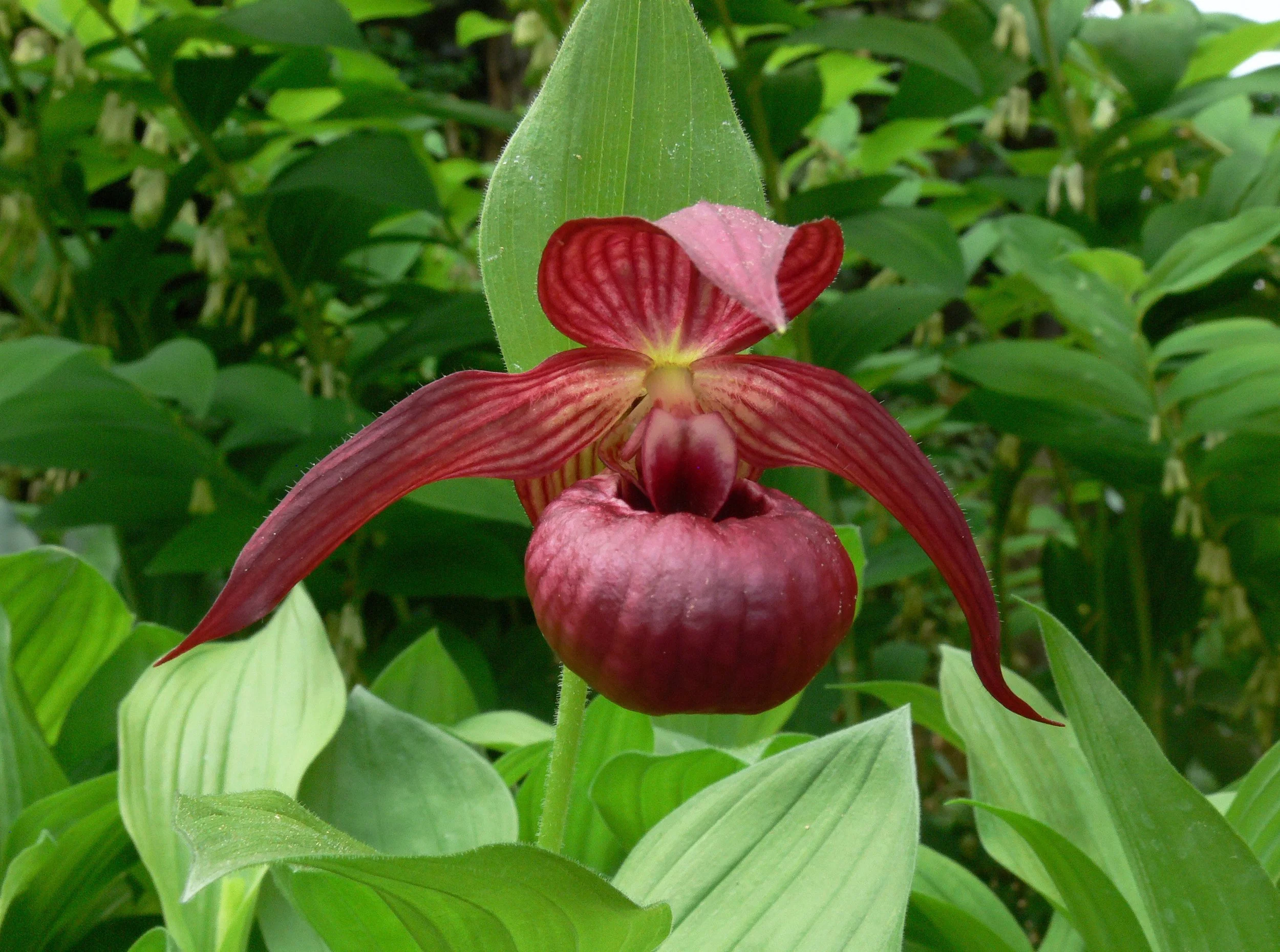
(C. shanxiense x C. macranthos var. hotei atsumorianum)
Christian attracts attention with its crimson red flower colouration and the unusual shape of the lip. In cultivation it proves to be vigorous, healthy and robust. Size-wise, it belongs to the smaller hybrids.
Zones 4-7. 10-14 in. Light shade, cool moist rich well-drained soil.
We are offering 2 sizes:
FS-NF plants that are either blooming or large near-blooming plants.
and
Near flowering plants that are one to two years away from blooming.
Not Available
Quick View
from $60.00
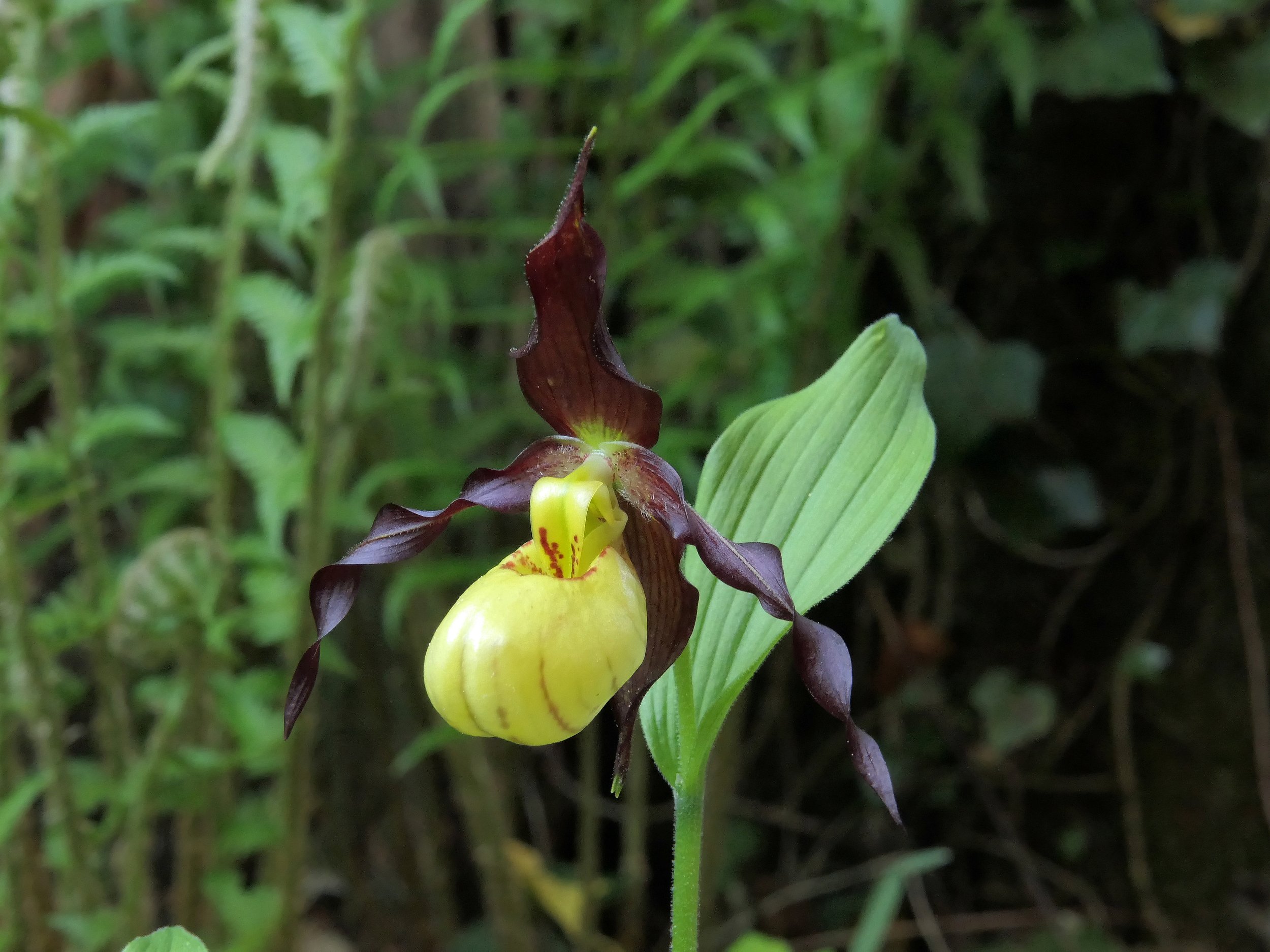
C. parviflorum x C. calceolus
Both parent plants are very similar so this hybrid looks a lot like both of them, but is much easier to grow in the garden. The intensely colored flowers open in mid-May and enrich your garden with exclusive beauty. Strong plants occasionally grow two blooms on one stem.
Zones 4-7. 12-16 in. Light shade, cool moist rich well-drained soil.
We are offering Near flowering plants that are one to two years away from blooming.
Not Available
Quick View
from $68.00
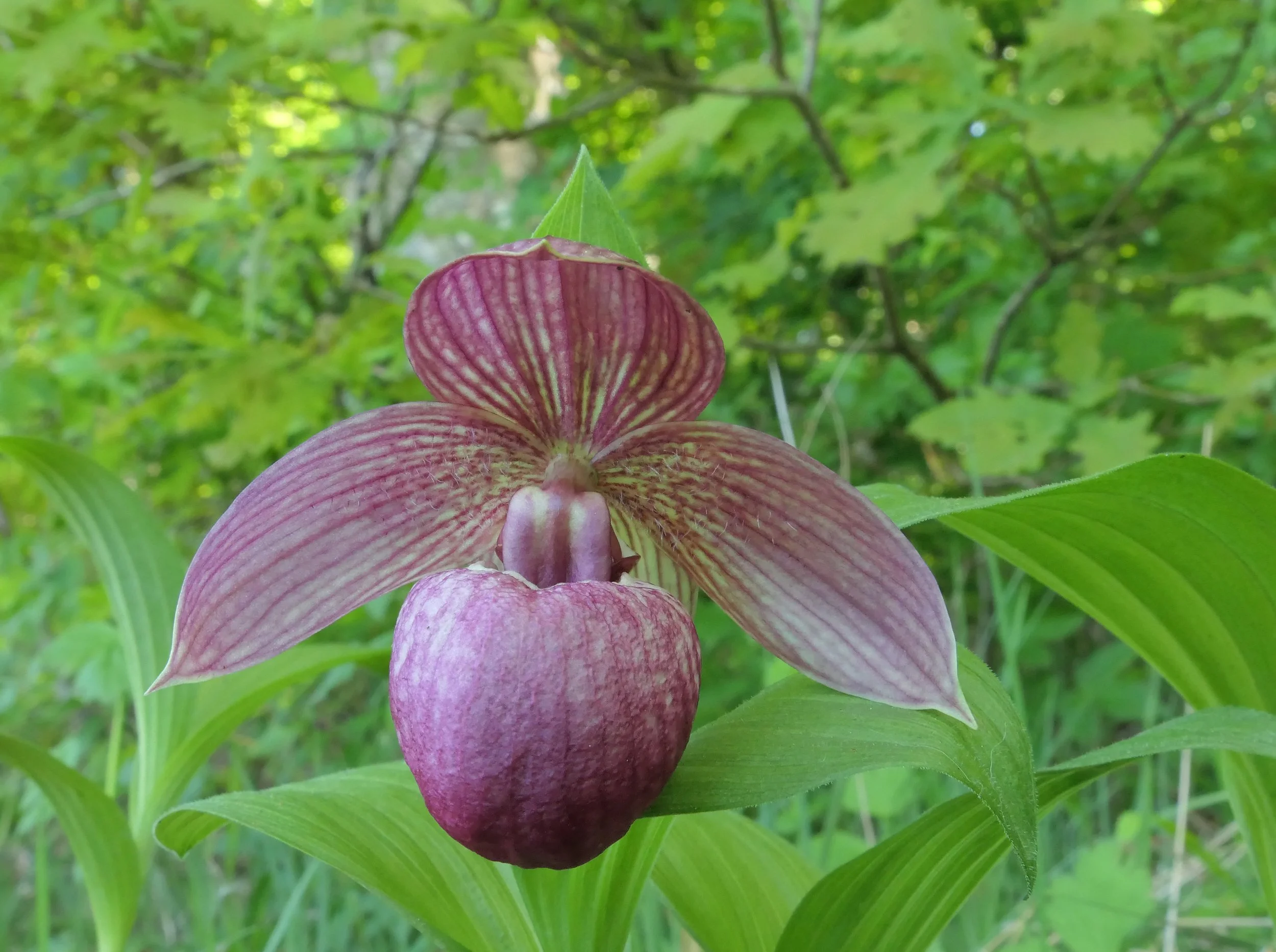
C. eurasia x C. henric = (C. macranthos x C. tibeticum) x (C. macranthos var. hotei-atsumorianum x C. tibeticum)
This is a quadruple cross between two very similar hybrids to give a nice hardy orchid that looks very similar to each parent that was newly registered in 2025. Pink with wide flat tendrils.
Zones 4-7. 12-16 in. Light shade, cool moist rich well-drained soil.
We are offering Near flowering plants that are one to two years away from blooming.

Not Available
Quick View
from $66.00
C. fasciolatum x (C. pubescens x C. macranthos)
This is a triple cross between the white and chartreuse Chinese species fasciolatum and the hybrid Aki Pastel which has a large slipper and is a pale light yellow.
The resultant flower is sports a large pale yellow slipper with yellow/chartreuse tendrils.
Zones 4-7. 12-18 in. Light shade, cool moist rich well-drained soil.
We are offering Large Blooming-sized plants have at least one large blooming stem and well-developed root system

Not Available
Quick View
from $55.00
Hans Ernie or C. franchetii x C. calceolus
This is a clone of a Cyp. ‘Hans Erni’ plant that was selected for outstanding quality. It is named Harlequin because the flower color is sensitive to temperature during bud formation. If it was warm, you will get a white base tone, cool produces yellow. If there was temperature fluctuation, you can get both on one plant. This is a shorter variety with nice dark pink coloration on the pouch.
Zones 3-8. 7-11 in. Light shade, cool moist rich well-drained soil.
We are offering 2 Sizes:
FS-NF plants that are either blooming or large near-blooming plants and
Near Flowering (NF) Plants that are one to two years away from blooming.

Not Available
Quick View
from $56.00
Inge or C. parviflorum x C. fasciolatum
Mother Earth is a clone of a vigorous and healthy Inge that has proven to form clumps rapidly with many shoots. The flower, about the size of a large yellow lady-slipper, has a creamy-yellow pouch with a deep red margin around the lip. The dark striped tendrils provide an attractive contrast. This is an early to mid-season bloomer.
Zones 4-7. 12-17 in. Light shade, cool moist rich well-drained soil.
We are offering 2 sizes:
FS-NF plants that are either blooming or large near-blooming plants.
Near flowering plants that are one to two years away from blooming.

Not Available
Quick View
from $56.00
Ventricosum Pastel or C. calceolus x C. macranthos
Queen of the Mist is a clone of a select premium plant of Ventricosum Pastel. It is a robust clone standing up to unstable weather conditions and is a fast growing form that forms a nice clump quickly. It’s pale yellow flower and tendrils and sepals stand out against a dark woodland background and will make a nice addition to a collection or first time purchase.
Zones 4-7. 10-14 in. Light shade, cool moist rich well-drained soil.
We are offering 2 sizes:
FS-NF plants that are either blooming or large near-blooming plants.
Near flowering plants that are one to two years away from blooming.

Not Available
Quick View
from $54.00
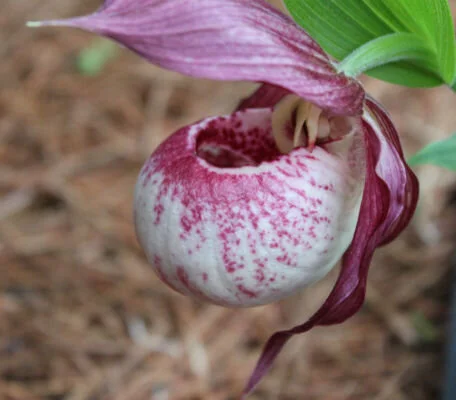
C. macranthos x C. parviflorum
Registered in 1991, this hybrid has proven the test of time. It has that robust hybrid vigor, and is just maybe the easiest cyp to grow. The flower buds start out yellow, then turn burgundy red with varying streaks of creamy yellow as they mature. The petals and sepals are a deep burgundy with a touch of yellow. To see some of the variation in color scroll through the additional images.
Zones 3-6. 12-16 in. Light shade, cool moist rich well-drained soil.
We are offering Near flowering plants that are one to two years away from blooming.
Not Available
Quick View
from $52.00
C. kentuckiense x C. tibeticum
This is a cross between the C. kentuckiense and C. tibeticum. Both parent plants have large slippers and the cross is no exception. The striking feature of this plant is its large dark pink to maroon slipper streaked with cream. The tendrils and hood are also a nice maroon color. These are a late season bloomer. For us they bloom in early June along with C. reginae.
Zones 4-7. 12-18 in. Light shade, cool moist rich well-drained soil.
We are offering 3 sizes:
FS-NF plants that are either blooming or large near-blooming plants,
Near flowering plants that are one to two years away from blooming, and
Large Blooming-sized plants have at least one large blooming stem and well-developed root system and
Featured
Not Available
Quick View
$40.00
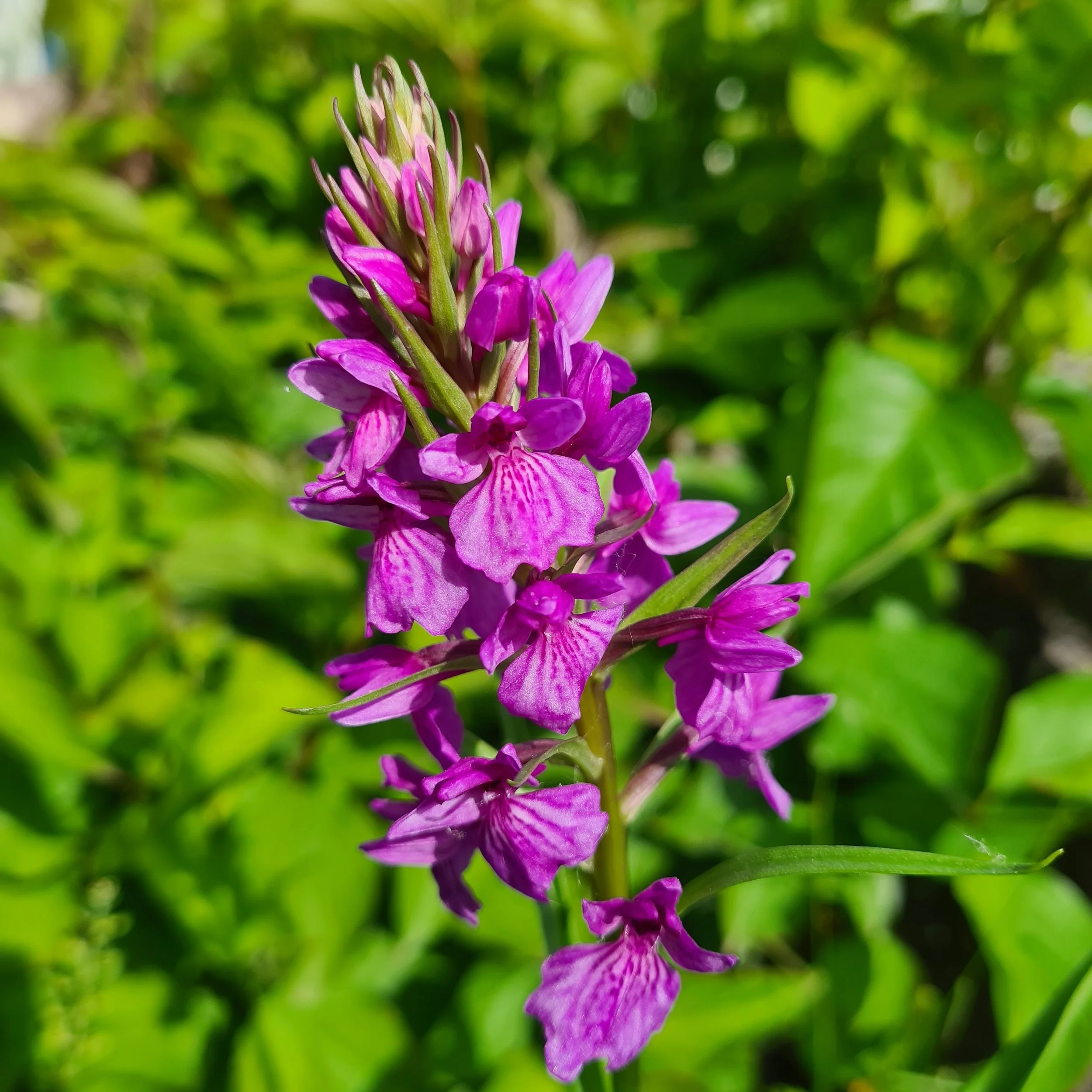
The flowers sit atop a rosette of lance shaped green leaves with no spots.
*Please read general description on the main Dactylorhiza page for growing conditions and care information.
Zone 4-8. 6-24 in. Sun to Part Shade. Moist soils.
Not Available
Quick View
$40.00
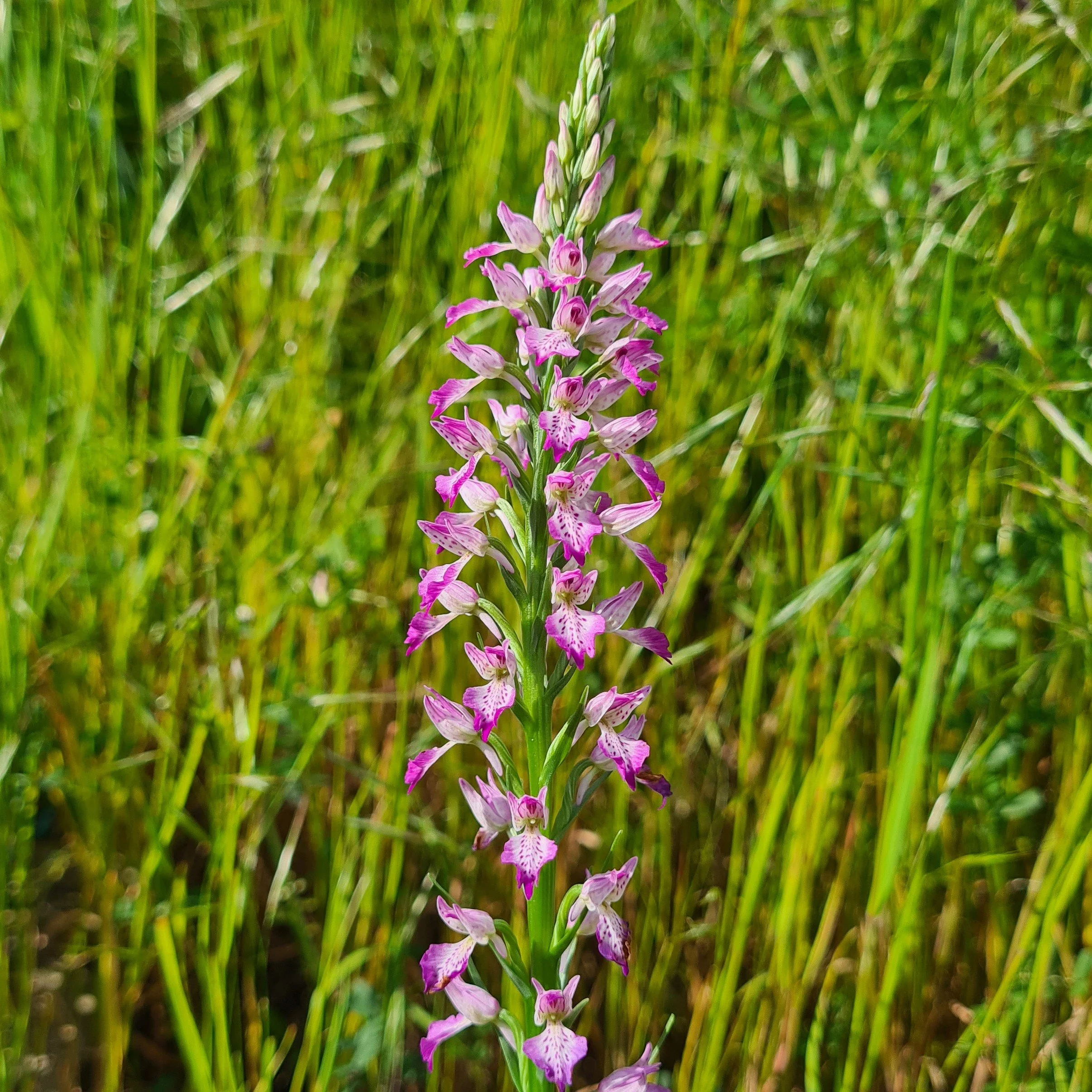
The flowers sit atop a rosette of lance shaped un-spotted green leaves.
*Please read general description on the main Dactylorhiza page for growing conditions and care information.
Zone 4-8. 8-24 in. Sun to Part Shade. Moist soils.
Not Available
Quick View
$40.00
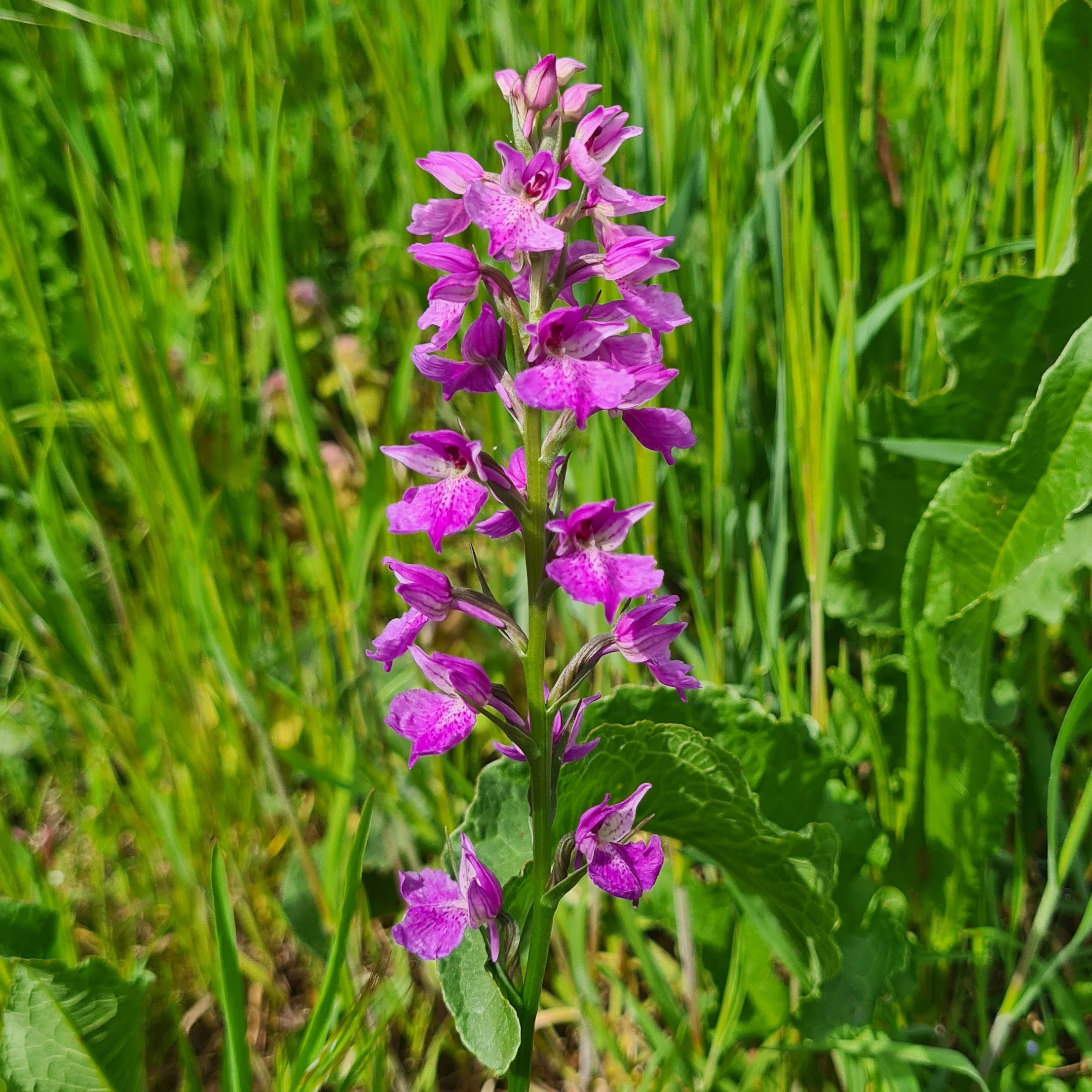
The flowers sit atop a rosette of lance shaped spotted green leaves.
*Please read general description on the main Dactylorhiza page for growing conditions and care information.
Zone 4-8. 6-24 in. Sun to Part Shade. Moist soils.

Not Available
Quick View
$40.00
Dark pink flowers sit atop a rosette of lance shaped green leaves.
*Please read general description on the main Dactylorhiza page for growing conditions and care information.
Zone 4-8. 6-16 in. Sun to Part Shade. Moist soils.
Featured
Not Available
Quick View
$21.00
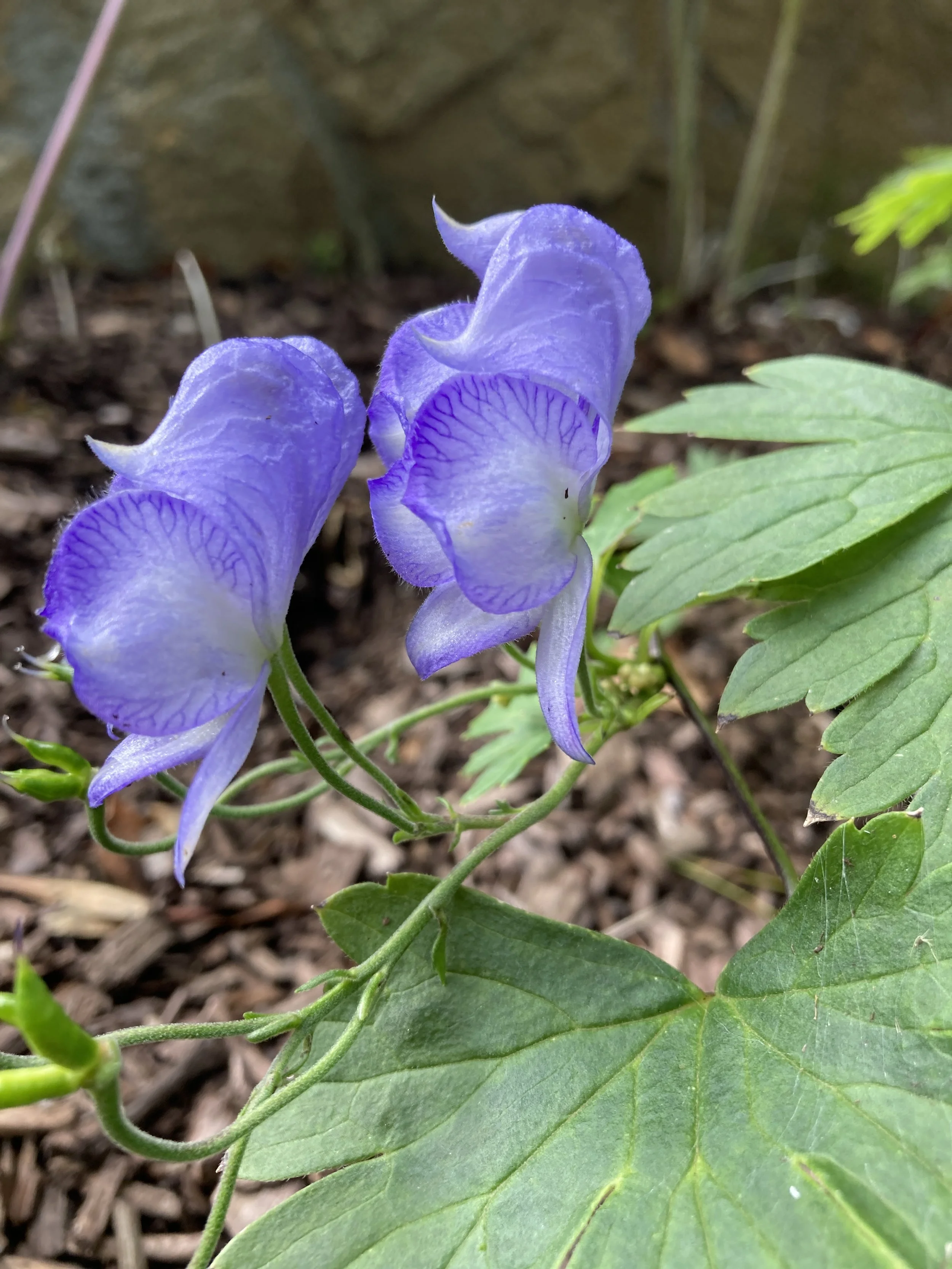
These monkshood add a beautiful splash of color for the late summer shade garden with purple flowers on arching stems. Please be aware that all parts of the plant are toxic and care should be taken when handling them. Deer and rabbit resistant.
Zones 4-9. 3 ft. Partial Shade. moist soil
We are offering 3-4 year old plants grown in half gallon pots.

Not Available
Quick View
$21.00
This outstanding species monkshood is clearly one of the best we have trialed. Numerous spikes covered with creamy white flowers rise above large, deep-green leaves in mid-to-late summer. After flowering, the mounded foliage continues to look spectacular. Rare endemic from Altai Mountains of Russia.
Read more →
Zones 3-7. Foliage 24 in.; flowers 4-5 ft. Sun to light shade, moist soil
We are offering 3-4 year old plants grown in half gallon pots.

Not Available
Quick View
$28.00
This Anemonella has full, double light-green flowers that can last up to 4 weeks. They start blooming a little later than the other forms. This variety is also very easy to grow.
Zones 4-8. 10 in. Moist, well-drained soil. Shade to part shade.
We are offering large blooming-sized bare root plants.

Not Available
Quick View
$29.00
One of the Japanese aristocrats. This hard-to-find woodland plant forms clumps of cimicifuga-like foliage topped with nodding, waxy lilac flowers in late summer. Likes a cool moist location in the garden.
Zones 4-7. 3 feet. Shade to part shade, moist rich soil.
We are offering Large four-year-old blooming-sized plants grown in half gallon pots.
Not Available
Quick View
$24.00
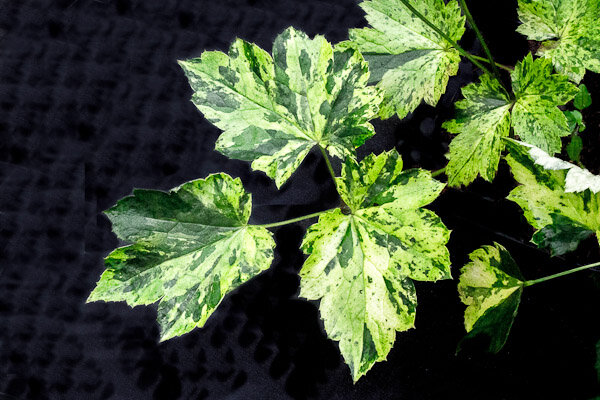
A great new introduction. This gem popped up in the nursery a number of years ago and we've been growing it out ever since. Amazing variegation in varying shades of chartreuse and light and dark greens, it will definitely become a stand-out plant in your shade garden.
Zones 4-7. Foliage 8-18', flower stems 2-4 ft. Shade to part shade, moist rich soil.
We are offering blooming-sized plants grown in half-gallon pots.

Not Available
Quick View
$21.00
Indigo-blue flowers display throughout June over bright green clumps of foliage. Closely related to C. flexuosa but does not go summer dormant; it gives a strong foliage display all summer. Easy to grow and has a fantastic vanilla or gardenia-like scent. It proven to be the longest lived of all the blue corydalis. Native of China.
Zones 4-9. 18-24 in. Part sun to shade, good garden soil.
We are offering blooming sized plants grown in quart pots.
Not Available
Quick View
$18.00
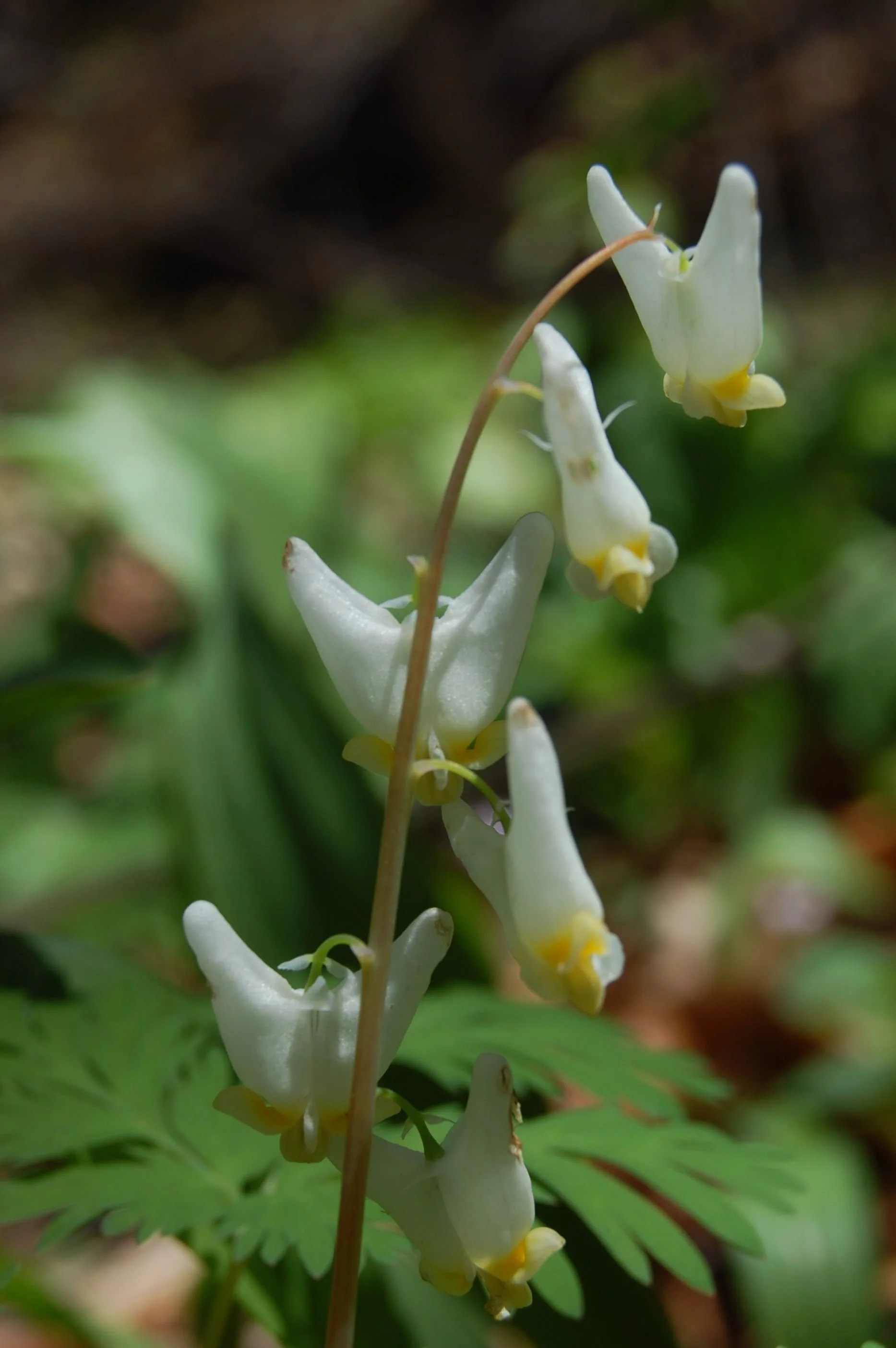
We love coming across this plant in our woods. It has a real sense of whimsy since it really does look like mini pantaloons hanging from a line. It is native to North American rich woods and is one of the first plants to bloom in early spring. It is in the poppy family and can cause temporary sickness in animals who eat it (also called staggerweed). Therefore, it probably won't be eaten twice by any deer wandering through.
Zone 3-7. 6-12'. Average to moist soil, Part sun to light dappled shade. Blooms in early-spring will go dormant when it is done flowering.
We are offering 2 root corms per order (1 large and one medium).

Not Available
Quick View
$21.00
Charming spring ephemeral with vibrant cyclamen-like flowers on stems rising from a basal rosette of ovate leaves. These have been around the nursery mixing and mingling with each other for years, so no matter how hard we try to keep the various forms separate, a rogue plant inevitably slips in. So we're selling these as mixed. They are mostly pink, some light and some dark. Goes dormant in late summer.
Zones 3-8. 16-24 in. Full shade to sun, moist humus soil.
We are offering blooming-sized plants grown in quart pots.

Not Available
Quick View
$21.00
Gillenia sports large numbers of one-inch star-shaped white flowers on wiry red branches. Flowers freely in June here in the northeast. This under used plant not only adds shape and texture, but is also very useful for dry, shady sites, especially when planted en masse. It may survive in full sun, but will not get as big and is less tolerable of dry conditions in my experience. We have plants that form a 3 foot diameter plant in the shade. When in bloom, it is stunning. When it is not, it provides texture and height to the garden. Native to eastern U.S. (Syn. Porteranthus)
Zones 4-8. 2-3 ft. Sun to Part shade, garden soil, can be dry.
We are offering blooming-sized plants grown in half-gallon pots.

Not Available
Quick View
from $23.00
This rare Japanese woodland plant has large silky purple-pink or white flowers over full maple-like leaves. This is one of our favorite plants here at the nursery. It can, in time, produce large two-foot round clumps covered with flowers.
Zones 3-8. 18-30 in. Shade to part shade, cool rich moist well-drained soil.
We are offering two sizes of 3 to 4 year old plants. One is typical size and one is a bit smaller.
Not Available
Quick View
$27.00
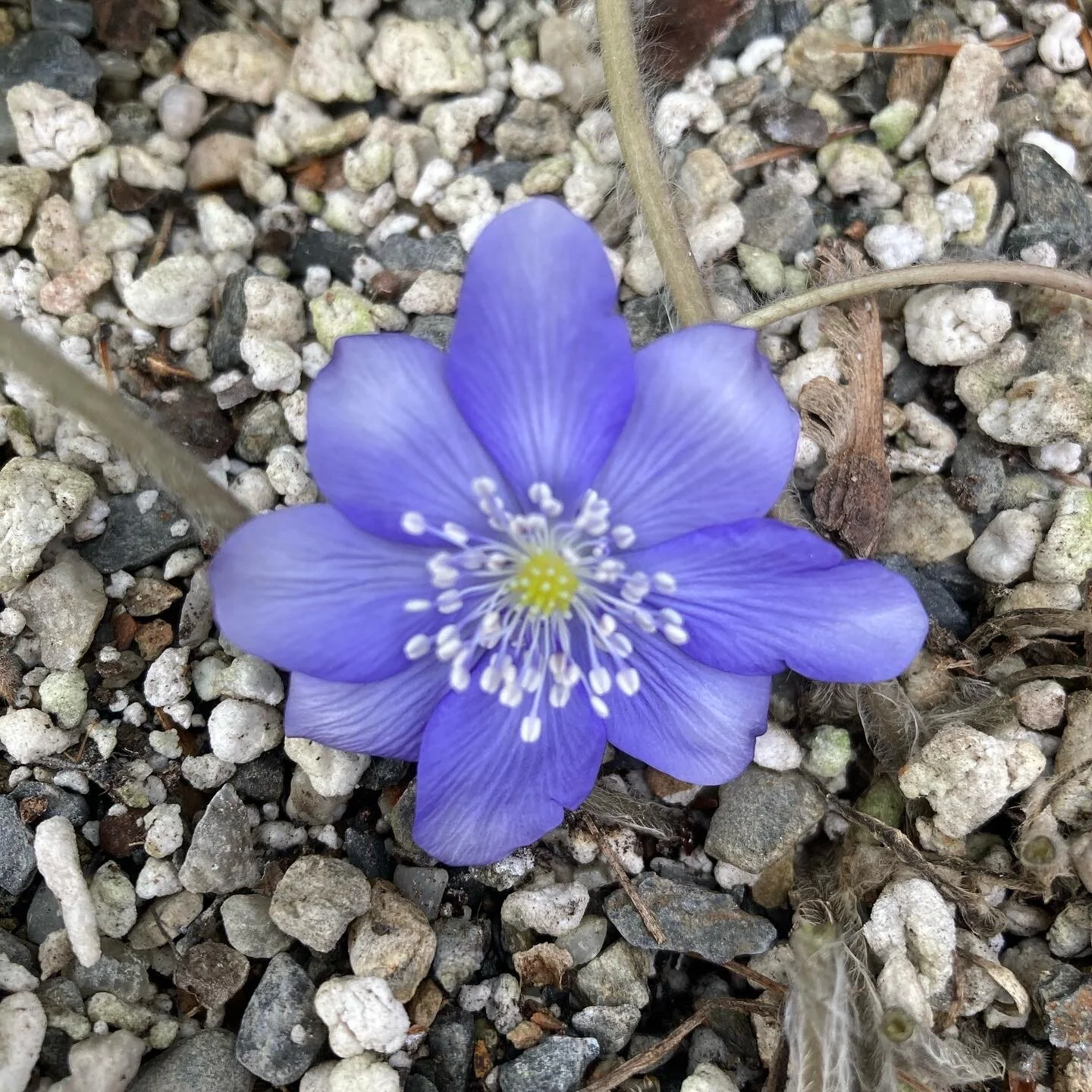
From the Slavic region of southeastern Europe, this early-flowering hepatica is a true harbinger of spring with its large blue flowers and sizable five-lobed leaves with scalloped edges. It is fast growing and offsets freely when happy. This is one of the largest hepatica species, and makes an excellent addition to a collection.
Zones 4-8. 8 in. Full to part shade. Moist, well-drained soil. Appreciates lime.
We are offering blooming sized bare root plants.
Not Available
Quick View
$27.00
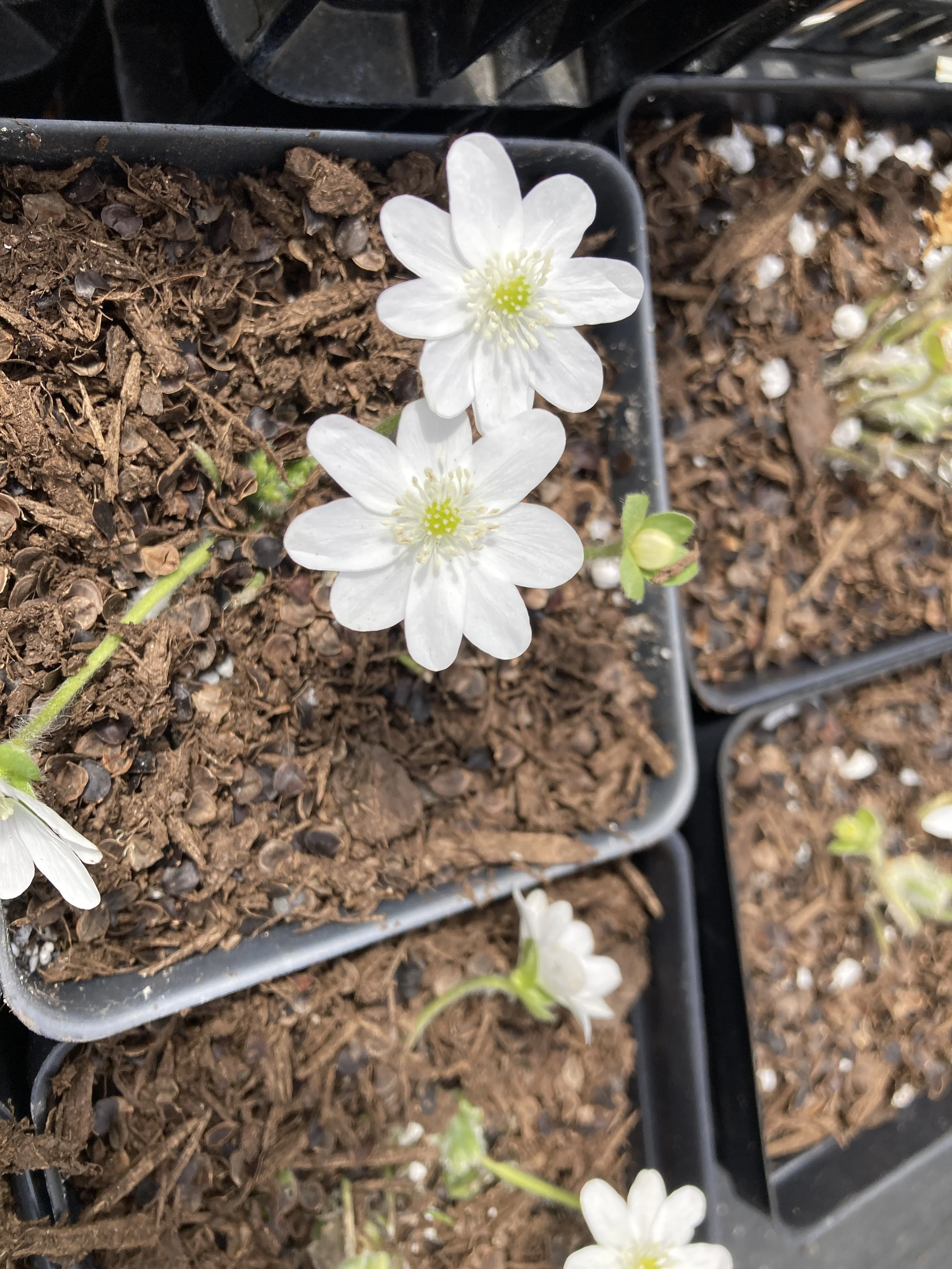
These white-flowered plants popped up from H. transylvanica seed we sowed a few years ago collected from blue plants! They are the same except have white flowers instead of blue. From the Slavic region of southeastern Europe, this early-flowering hepatica is a true harbinger of spring with its large white flowers and sizable five-lobed leaves with scalloped edges. It is fast growing and offsets freely when happy. This is one of the largest hepatica species, and makes an excellent addition to a collection.
Zones 4-8. 8 in. Full to part shade. Moist, well-drained soil. Appreciates lime.
We are offering blooming sized bare root plants.

Not Available
Quick View
$21.00
White flowers in May followed by interesting pipe-shaped seed pods over large twin kidney-shaped dusty blue-green leaves. Forms exceptional clumps and is useful both as a specimen plant and planted in mass. Best in a moist site, but tolerant of both drought and root competition once established. Eastern U.S. native.
Read more →
Zones 3-8. 10-12 in. Full or dappled shade, moist humus soil.
We are offering blooming-sized plants grown in quart pots.

Not Available
Quick View
$21.00
Shoots rise in early spring as the ground thaws. Flowers start as clusters of pink buds, then open up to bright blue bells. After blooming for several weeks, seeds ripen, and the plant begins to fade, going dormant in early July. Native to eastern woodlands.
Zones 3-8. 12 in. Part shade, moist humus soil.
We are offering large blooming-sized, bare root plants grown in half-gallon pots.
Not Available
Quick View
from $30.00
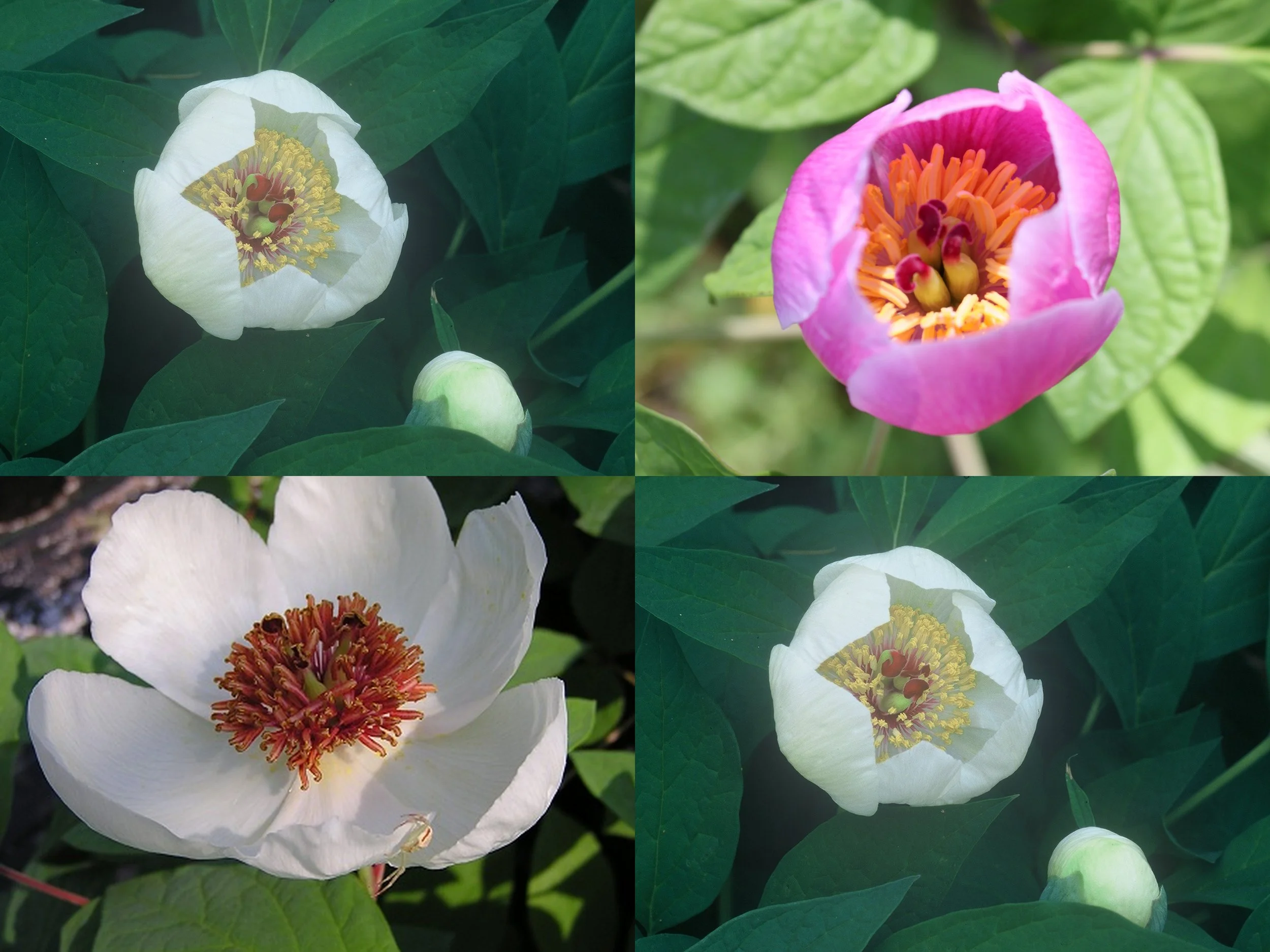
Well, this is embarrassing, but a few years ago, it seems there was a mix up of the peony seeds. They were labeled one thing, but in some cases looked like something else when they came up. Not only that but there were different looking plants in each flat. So they were mixed up in multiple ways. These plants are for the gardener who doesn’t care which woodland peony they get as long as it’s beautiful, which they all are of course. The likely plants in this grab bag are, P. japonica, P. obovata var. willmottiae, and P. obovata var. obovata, but you never know, there may be another gem in there!
Zones 4-8. 18-30 in. Part sun to light shade. Good rich soil.
One Plant per order
We are offering 3-4 year-old bare root plants. These will need a few years to settle in before blooming.
Each order contains one plant.
Not Available
Quick View
from $26.00
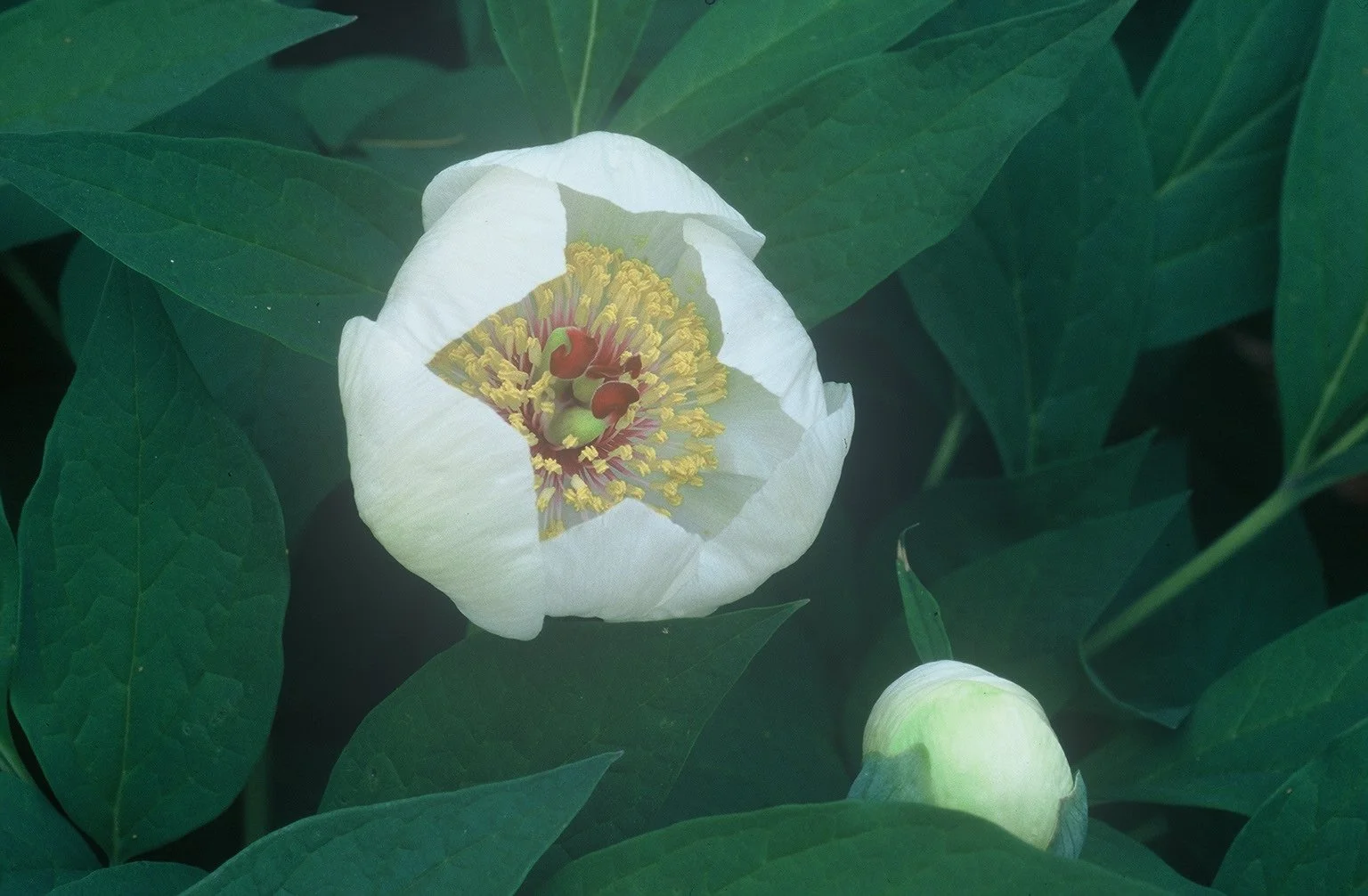
This is a strong growing plant with gray-green foliage and single white flowers with yellow stamens. It blooms in May followed in late summer by bright red seed heads with dark blue seeds.
The Japanese woodland peony is a must-have for the woodland garden. The beautiful white globe-like flowers open in mid-May here and are just stunning. They may take a couple years to bloom, but once they do, you will have more and more coming up from seed. Who can say no to that!
Zones 4-8. 18-30 in. Part sun to light shade. Good rich soil.
We are offering 3-4 year-old bare root plants. These will need a few years to settle in before blooming.
C. kentuckiense x C. x columbianum
This is a triple cross so it has some hybrid vigor. It has a light yellow pouch with brown tendrils like C. kentuckiense and C. pubescens both of which are parents. The other parent C. montanum is a small white lady slipper that makes the flower a bit smaller than either yellow parent and the yellow a little creamier. It is a medium-sized pouch that blooms mid-season.
Zones 4-7. 12-16 in. Light shade, cool moist rich well-drained soil.
We are offering 2 sizes:
FS-NF plants that are either blooming or large near-blooming plants.
Near flowering plants that are one to two years away from blooming.